How to Use ChatGPT to Build Elite Hotel Gym Workouts
I’ve spent over a decade becoming an expert on hotel gyms - where the best hotel gyms are, how to adapt a routine to get results in even the worst hotel gym, and advising hotel operators how to improve their gym.
Hotel gyms are my bread and butter, yet even with preparedness and experience, I still find myself struggling at times to develop a surefire plan for any hotel gym.
Enter ChatGPT, Claude, Grok, Gemini, or whichever LLM you prefer. They all work for developing a hotel gym workout in a pinch or a progression-focused plan.
It’s easy to skip workouts when you travel. In fact, it’s the default option for most travelers.
Not because they’re lazy, but because hotel gyms are unpredictable.
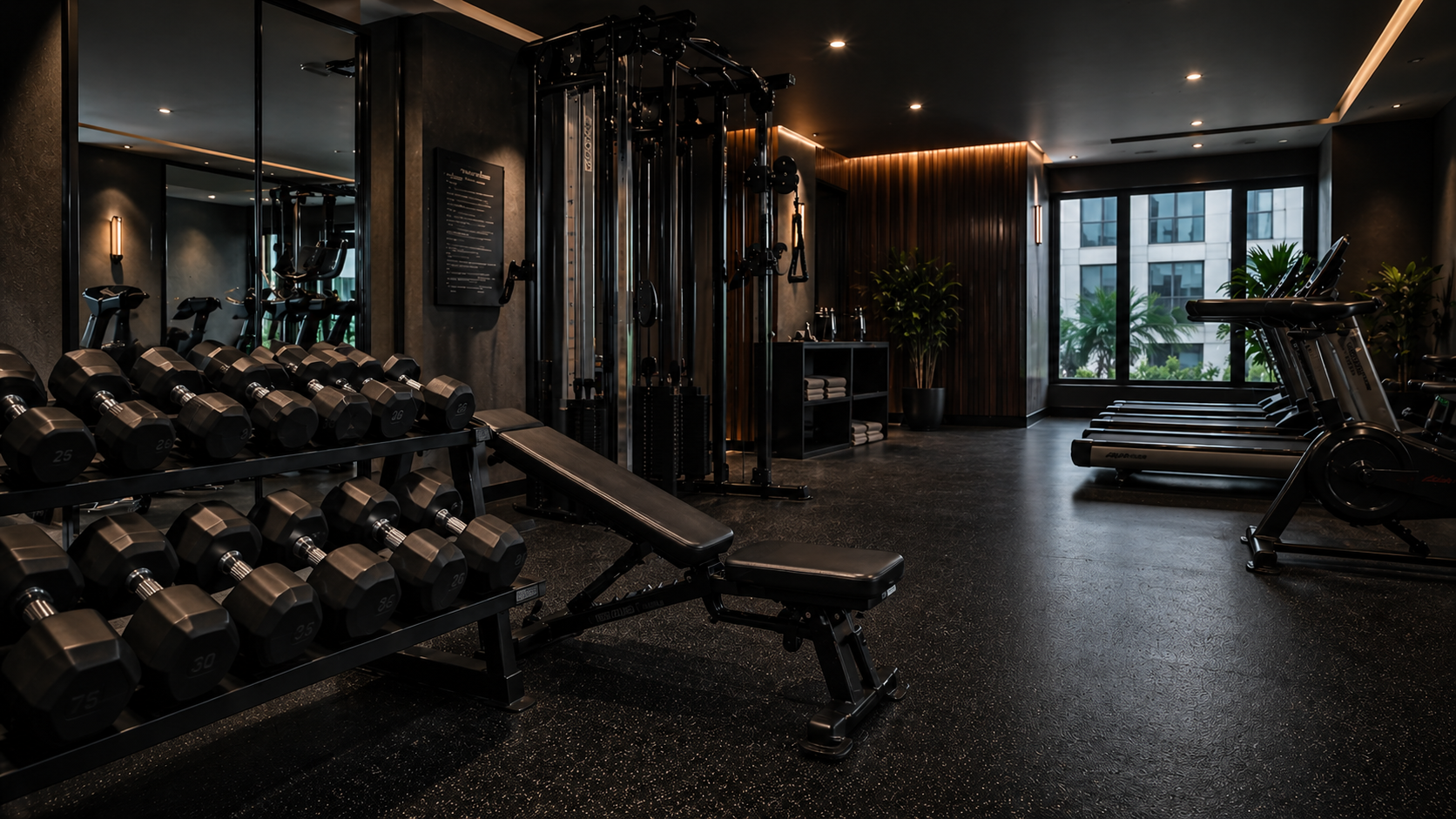
You walk in, and it’s a random mix of equipment:
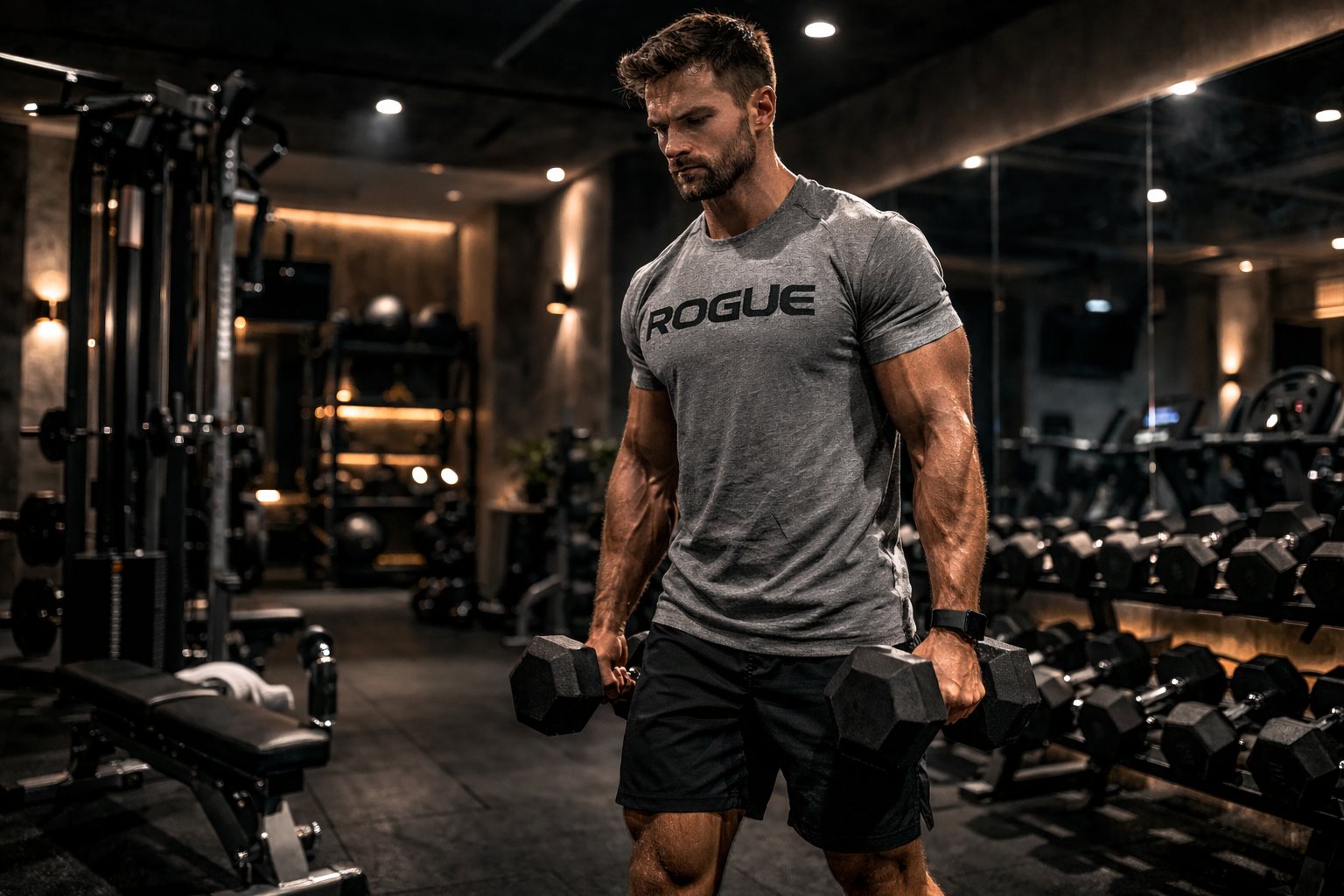
Dumbbells that stop at 50 pounds
Treadmills, ellipticals, stationary bike
Maybe a cable machine if you’re lucky
Rarely anything resembling a full gym
If your training depends on a perfect setup, it falls apart the moment you leave your home gym.
I used to deal with this the hard way—trying to force my normal routine into whatever limited setup the hotel had. It never worked well. I’d waste time thinking, adjusting, second-guessing, and usually end up with a mediocre workout.
Now I do something different.
I use ChatGPT as an adaptive training tool.
And it’s completely changed how I train while traveling.
The Problem With Hotel Gym Workouts
Hotel gyms are inconsistent by design.
Unlike a commercial gym, there’s no standard. Every hotel decides what to include, and most of them optimize for space and cost—not performance.
That means you’re constantly dealing with limitations:
No barbells
No squat rack
Limited weight ranges
Awkward layouts
Equipment that’s already in use
For most people, this creates friction. And friction kills consistency.
You either skip the workout entirely or go through the motions without any real structure or intensity.
The issue isn’t motivation—it’s lack of adaptability.
The Shift: From Fixed Plans to Adaptive Training
The biggest change I made was simple:
I stopped trying to follow a fixed program while traveling.
Instead, I started adapting every workout based on what was available. That’s where ChatGPT comes in.
Think of it as a flexible training partner that can instantly build workouts based on:
Available equipment
Time constraints
Training goals
Energy level
Instead of forcing a plan, you generate one on demand. No more overthinking.
How I Actually Use ChatGPT in a Hotel Gym
My process is straightforward.
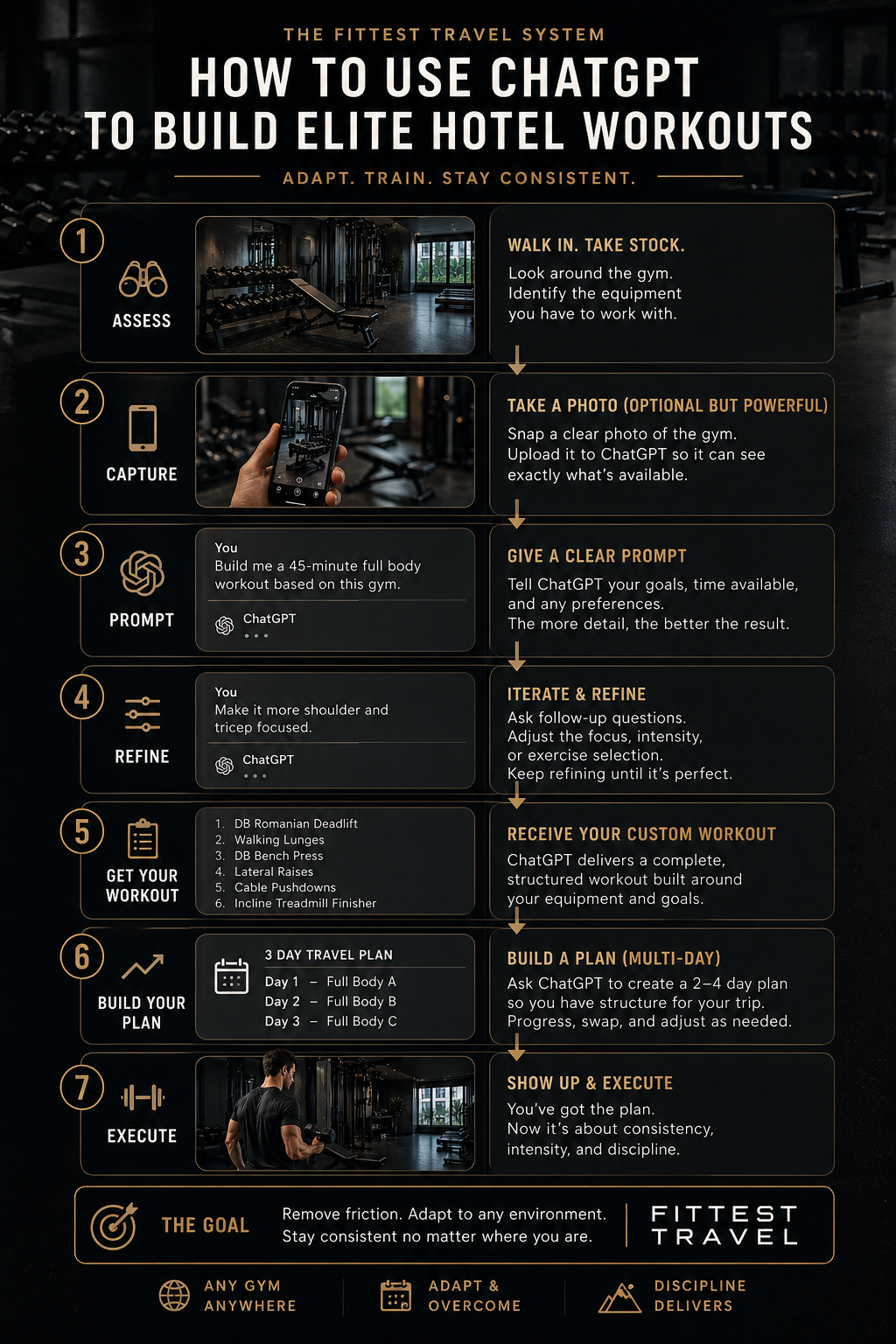
I walk into the hotel gym, take a quick inventory, and then give ChatGPT a prompt.
Try a prompt like this:
“Create a 45-minute full body workout for a hotel gym with dumbbells up to 50 lbs and a cable machine. Focus on hypertrophy and intensity.”
That alone gives you a solid, structured workout in seconds.
From there, I refine it depending on what I want to focus on:
“Make this more shoulder and tricep-focused.”
“Turn this into supersets with minimal rest.”
“Add a conditioning finisher.”
The key is iteration.
Most people ask once and stop. The real value comes from refining the output until it matches exactly what you need.
Within a minute or two, you have a customized workout that fits the environment perfectly.
Even Easier: Just Take a Photo of the Gym
This is where things get even more efficient.
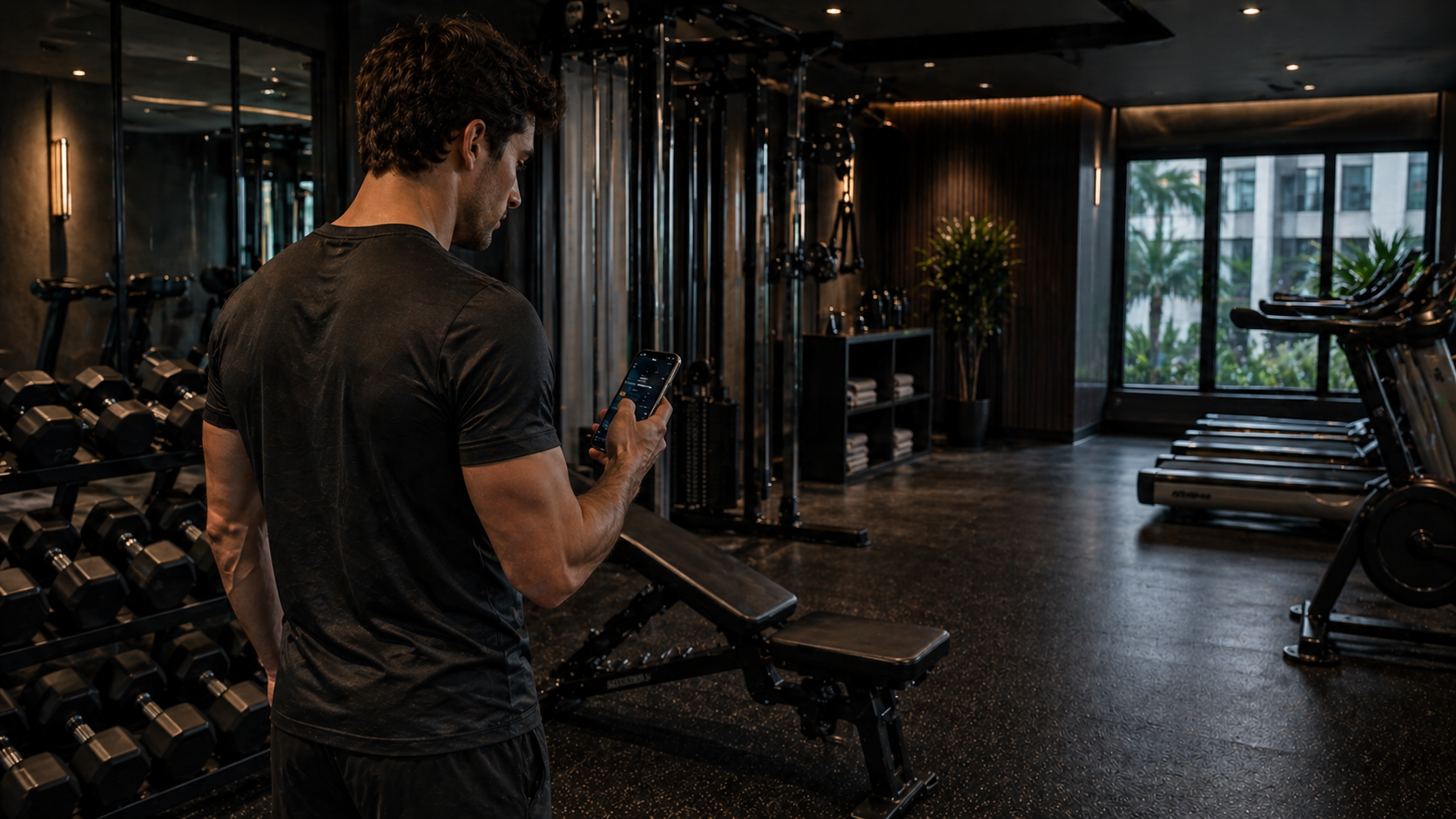
Instead of typing out the equipment, I’ll often just take a picture of the hotel gym and upload it.
From that image, ChatGPT can identify:
What equipment is available
How much space you’re working with
What’s realistically usable
Then I’ll prompt:
“Build me a workout based on this gym.”
Now the workout is tailored to exactly what’s in front of you.
No assumptions. No missing equipment. No wasted time walking around trying to figure things out.
This is especially useful in smaller or poorly equipped hotel gyms where every piece of equipment matters.
A Real-World Example
Let’s say I walk into a typical hotel gym setup:
Dumbbells up to 50 pounds
Adjustable bench
Single cable machine
Two treadmills
I run a quick prompt, and I’ll usually get something like:
Dumbbell Romanian deadlifts
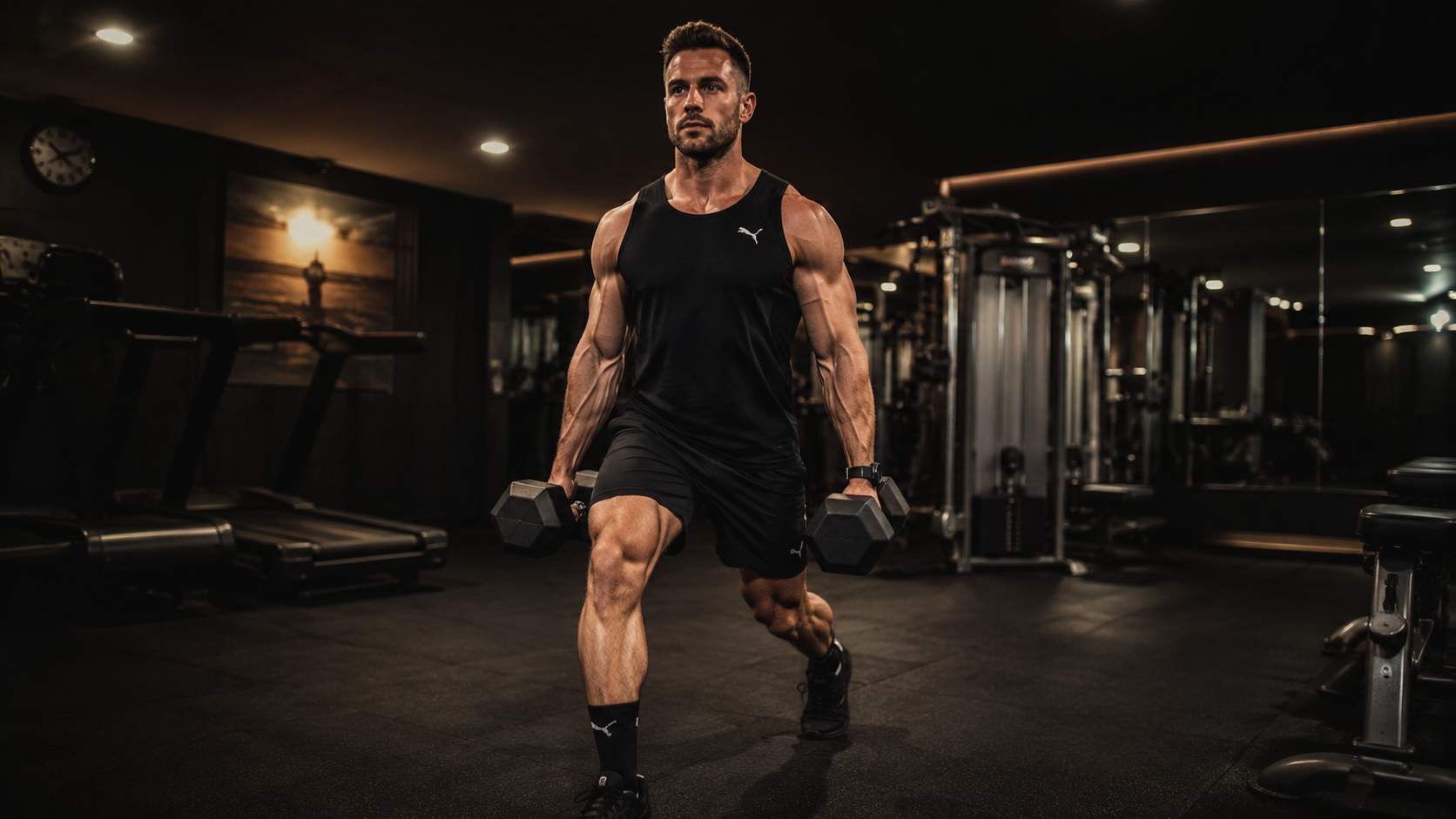
Walking lunges
Dumbbell bench or floor press
Lateral raises
Cable pushdowns
Incline treadmill finisher
That’s a complete, effective workout.
No fluff. No wasted movement. Just exercises that make sense given the constraints.
And more importantly, it’s something I can execute immediately.
How I Use It for Multi-Day Travel
This is where most people leave results on the table.
If you’re traveling for a few days, you don’t need random workouts - you need structure.
I’ll take the initial workout and build progression into it.
For example:
“Progress this into 3 full body workouts for the week while traveling.”
Now I have a simple plan that:
Varies exercises slightly
Adjusts intensity
Keeps things balanced
You can also scale based on time:
“Make this a 30-minute version.”
Or create a fallback:
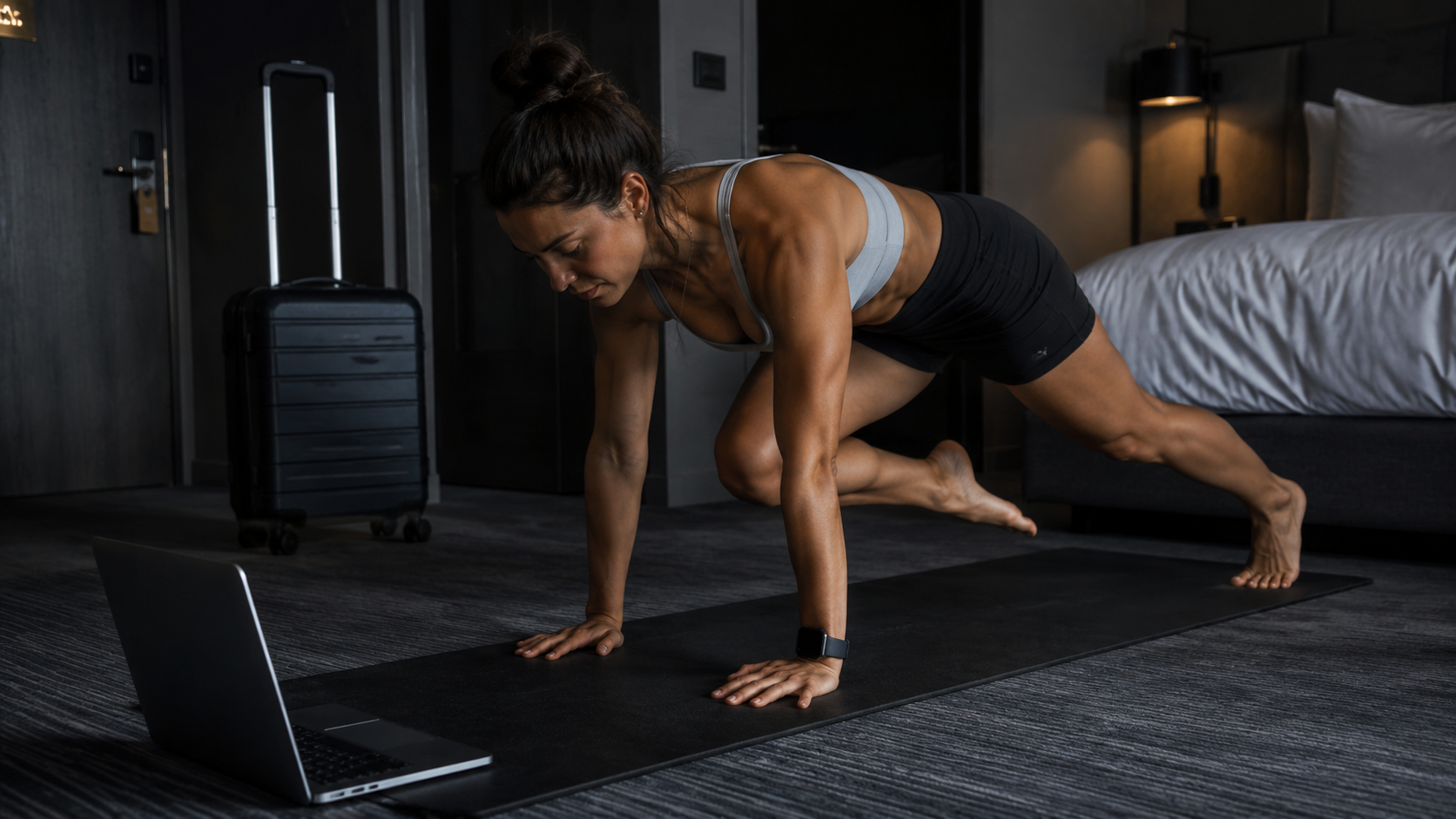
“Convert this into a no-equipment hotel room workout.”
Now you’re covered no matter what the situation is—busy schedule, crowded gym, or no gym at all.
When There Are No Weights: Bodyweight-Only Workouts
Not every hotel has a usable gym.
Sometimes it’s closed. Sometimes it’s packed. Sometimes it’s just cardio machines and nothing else.
This is where most people default to doing nothing.
Instead, I just pivot to bodyweight training, and I use ChatGPT to structure it.
The key is being specific with your prompt:
“Create a 30-minute full body bodyweight workout I can do in a hotel room. No equipment. Focus on intensity and minimal rest.”
You’ll get something like:
Push-ups (variations)
Walking lunges or split squats
Pike push-ups or decline push-ups
Glute bridges
Planks or core circuits
From there, you can refine it:
“Make this more upper body focused.”
“Increase intensity without adding time.”
“Turn this into a circuit.”
The important shift is understanding that you don’t need weights to get a productive session.
You just need enough volume, intensity, and minimal rest between sets and rounds. You can make bodyweight training brutally effective if it’s structured correctly.
And ChatGPT handles that structure instantly.
Cardio While Traveling: Keep It Simple and Consistent
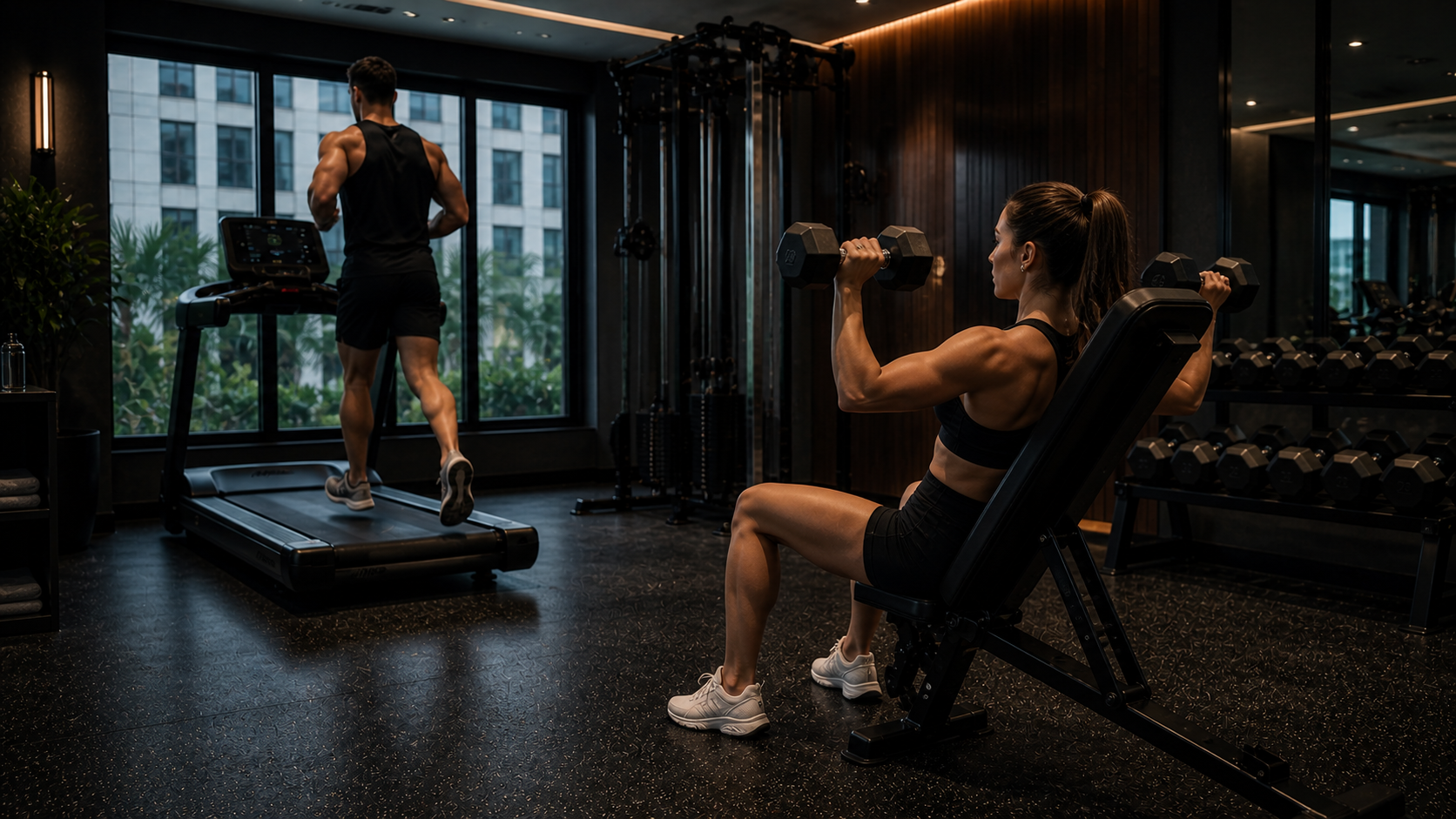
Most people overcomplicate cardio when they travel. You don’t need machines, classes, or perfect conditions. You need consistency.
I keep it simple and build cardio around three things:
1. Walking (Daily Non-Negotiable)
This is the easiest win.
When you travel, you’re already in a new environment—use it.
Walk in the morning
Walk after meals
Walk to explore instead of Uber
If you do nothing else, this alone keeps your baseline activity high.
You can even prompt:
“Give me a daily step target and walking plan while traveling.”
2. Sprinting (Short, High-Intensity Work)
If you want intensity without spending a lot of time, sprinting is the move.
This can be:
Treadmill sprints
Outdoor hill sprints
Flat ground intervals
Simple prompt:
“Create a 15-minute sprint workout on a treadmill for conditioning.”
You’ll get something like:
Warm-up
Short sprint intervals
Walk recovery periods
It’s efficient and effective.
3. Zone 2 Cardio (Low-Intensity, High Return)
This is where most people see long-term benefits.
Zone 2 is steady, controlled cardio—usually:
Incline treadmill walking
Easy jogging
Long outdoor walks
You should be able to hold a conversation.
Prompt:
“Create a 30–45 minute Zone 2 cardio session using a treadmill.”
This is where you build endurance, improve recovery, and support overall fitness.
Why This Works So Well
The biggest benefit isn’t the workouts themselves.
It’s the removal of friction.
When you eliminate the need to plan, think, or adjust on the fly, you’re far more likely to stay consistent.
You walk in with a system:
Assess
Prompt
Refine
Execute
That’s it.
No wasted time. No decision fatigue.
And over time, consistency beats everything.
The Bigger Philosophy: Fitness That Travels
Most people build routines that only work in ideal conditions: the perfect gym, perfect schedule, and perfect setup.
That’s not real life—especially if you travel. Real fitness travels with you. It adapts to different environments, limited equipment, and changing schedules.
If your routine can’t handle that, it’s fragile. Using ChatGPT forces you to become adaptable.
And adaptability is what separates people who stay consistent from those who fall off every time they leave home.
Final Thoughts
I don’t waste time thinking about hotel gym workouts when I travel anymore. I don’t try to force a perfect plan into an imperfect environment.
I walk in, assess what’s available, use ChatGPT to build something that works, and train. Simple. Efficient. Effective.
If you travel frequently and struggle to stay consistent, this is one of the easiest upgrades you can make.
Stop relying on perfect conditions. Start adapting—and you’ll never miss workouts again.