Staying Strong While Living Out of a Suitcase
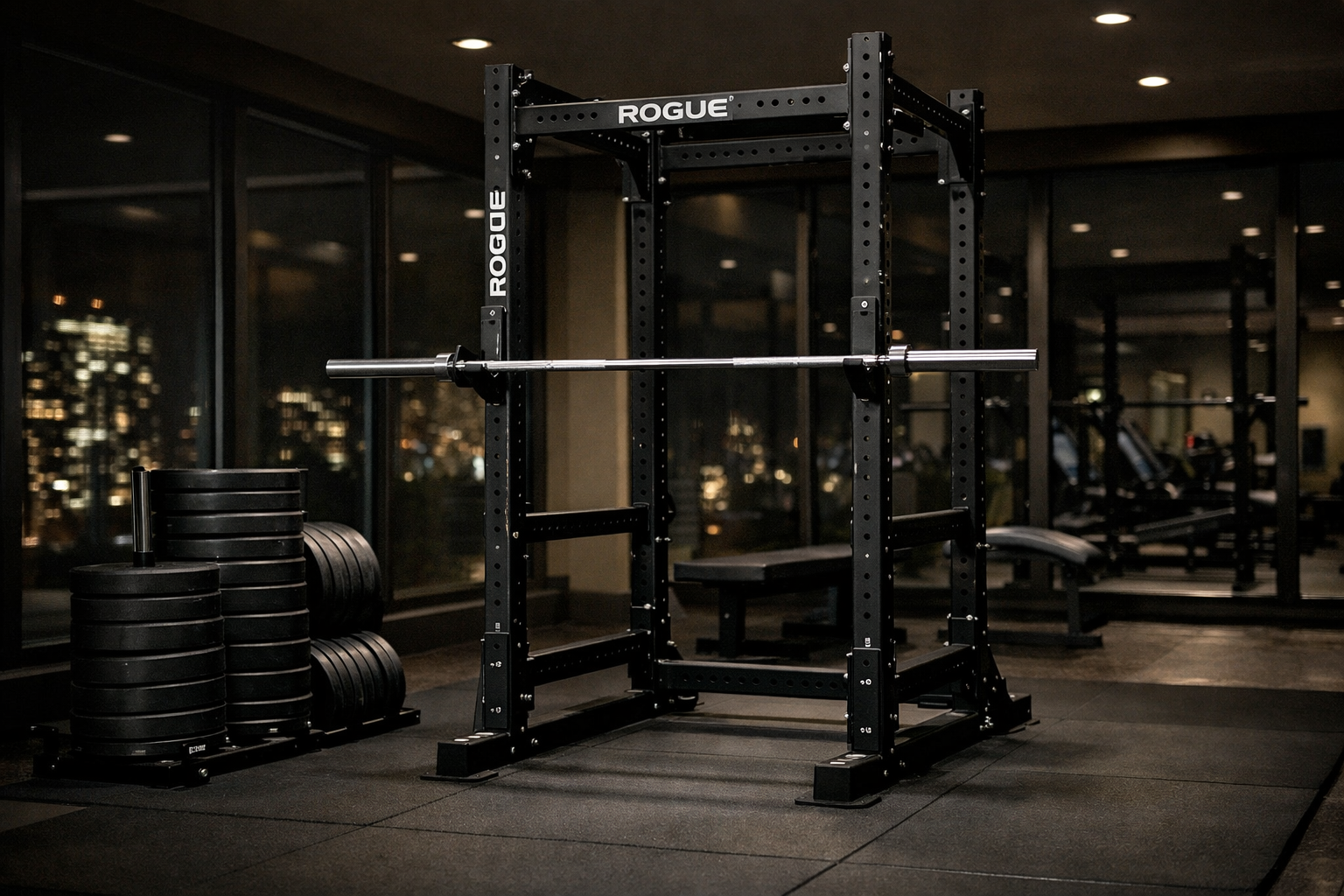
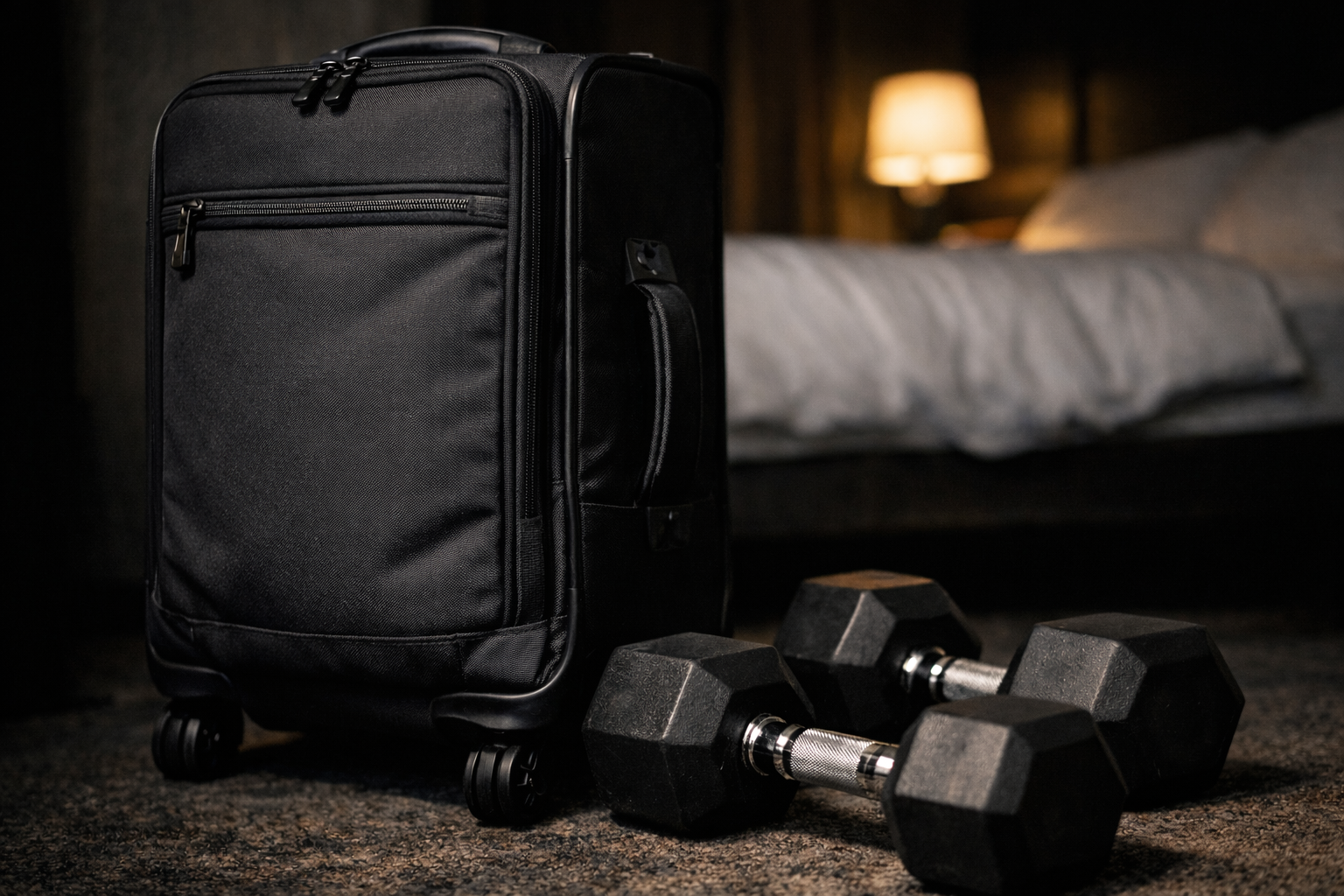
Travel expands your world but compresses your training structure. Airports replace barbells and hotel rooms replace racks.
Over time, strength fades not because you stopped moving, but because you stopped loading with intention. Without measurable resistance, force output gradually declines.
Steps, hikes, and spontaneous activity maintain work capacity and general conditioning. They do not preserve maximal strength.
Without deliberate resistance, neural drive decreases and motor unit recruitment becomes less efficient. That regression compounds across months of inconsistent loading.
Maintaining Strength While Traveling - Summary
Strength declines neurologically before visually. Loss of heavy tension reduces neural efficiency and high-threshold motor unit activation before muscle size changes.
Bodyweight alone plateaus for trained individuals. Without progressive overload, endurance circuits fail to maintain maximal strength.
Strength requires measurable, repeatable load. Improvised intensity feels demanding but does not ensure progression or protect against regression.
Train in phases.
Travel = maintenance phase (lower volume, preserve intensity, 2 focused sessions/week).
Home base = rebuilding phase (increase absolute load, track progression, restore output in 4–6 weeks).
Prioritize compound patterns. Protect hinge, squat, press, and carry movements to maintain full-body force production.
Patterns that decline fastest:
Hip hinge (posterior chain stability)
Loaded carries (grip and trunk stiffness)
Overhead pressing (shoulder integrity and posture)
Keep the template simple. Each session: hinge + unilateral lower body + press + carry. Under 30 minutes. Track load, volume, or density.
Strength improves resilience and efficiency. Higher maximal strength lowers relative effort during travel, enhances durability, and supports performance in unpredictable environments.
Portable strength is the objective. Consistent access to progressive tension—especially during stable periods—makes travel a maintenance cycle, not a setback.
Strength Loss Is Neurological Before It’s Visible
The first thing you lose during disrupted training isn’t muscle size. It is neural efficiency and coordination under load. Heavy tension keeps high-threshold motor units active and responsive.
When that stimulus disappears, performance declines before aesthetics change.
Bodyweight circuits maintain endurance and tissue tolerance. They rarely challenge high-threshold motor units once adaptation occurs.
Push-ups, lunges, and air squats quickly plateau for trained individuals. Without progressive overload, adaptation stalls.
Travel fatigue can create the illusion of productivity. Long days and improvised workouts feel demanding. Demand alone does not create strength. Strength requires repeatable, measurable tension applied over time.
Load Must Be Repeatable and Measurable
To maintain strength across travel cycles, resistance must scale. Improvised intensity lacks precision and makes progression difficult to track.
Structured load allows objective measurement and protects against slow regression. Measurable progression preserves capacity.
Compound patterns should remain the priority. The hip hinge, squat, press, and carry preserve structural strength across the entire kinetic chain.
These patterns reinforce coordinated force production under load. Endurance activity cannot replace that stimulus.
A stable home base creates space for short progression blocks between trips. Those blocks require consistent, measurable resistance to restore force output efficiently. Without a repeatable load, rebuilding becomes inefficient and reactive.
Many travelers keep versatile tools ready at home for this reason. Fitness Superstore kettlebells allow precise increases in load, volume, and density during rebuilding phases. That precision turns each return home into a structured progression window rather than a restart.
The objective is not to collect equipment. It is protecting access to progressive tension before shifting back into maintenance travel phases. Consistency during stable periods preserves long-term strength.

Train in Phases, Not Perfection
Attempting perfect programming while constantly moving leads to frustration. A phase-based model creates continuity instead of disruption.
Travel becomes a maintenance phase rather than a setback. Expectations adjust while structure remains intact.
During travel-heavy periods, reduce volume but protect intensity. Two focused sessions per week can preserve neural output when effort remains deliberate.
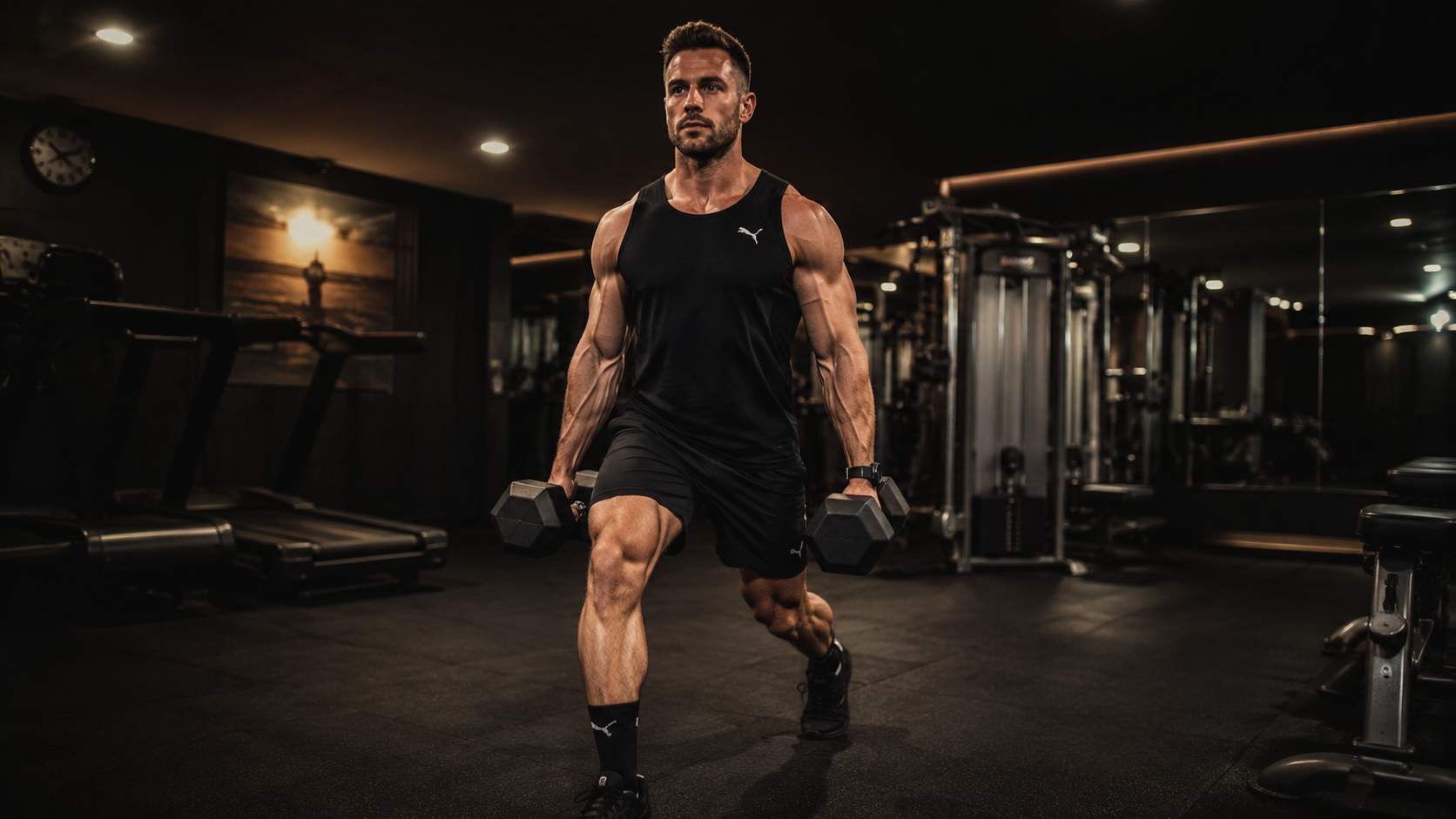
Use controlled tempo and unilateral work to increase demand without excessive load. Efficiency matters more than duration.
When returning to a stable environment, shift into a rebuilding phase. Increase absolute load on hinge and squat patterns.
Extend rest intervals to support higher output and cleaner execution. Track progression weekly to restore peak strength within four to six weeks.
This oscillation mirrors structured athletic programming. Maintenance protects capacity during unstable periods.
Short rebuilding blocks restore performance without overextending recovery. Travel becomes integrated into the system rather than disruptive to it.
Protect the Patterns That Decline Fastest
The hip hinge often regresses first when heavy loading disappears. Posterior chain strength supports spinal stability during long flights and extended sitting. It also improves resilience during hiking and loaded movement. Preserving hinge strength protects structural integrity.
Grip strength declines quickly without heavy carries. Loaded carries rebuild forearm endurance, trunk stiffness, and shoulder stability. They reinforce full-body tension under movement. That tension translates directly to real-world travel demands.
Overhead pressing maintains scapular control and shoulder integrity. Travel posture promotes forward rounding and thoracic stiffness. Pressing restores balance and improves joint mechanics. Structural strength reduces accumulated strain.
Keep the Template Simple
Structure outperforms variety over time. A repeatable framework preserves strength more effectively than constantly changing circuits. Consistency allows measurable progression and reduces decision fatigue. Simplicity supports adherence.
During travel phases, anchor each session around four elements. Include a hinge pattern, a unilateral lower-body movement, a press variation, and a carry. Keep sessions under 30 minutes while maintaining crisp execution. Focus on quality over exhaustion.
At home base, increase load and reduce tempo manipulation. Emphasize neural output and objective progression. Track load, density, or total volume week to week. Short rebuilding blocks restore peak output efficiently.

Strength Enhances Every Adventure
Endurance supports exploration, but strength supports resilience. Force production improves joint stability and reduces injury risk during unpredictable movement. Stronger tissues tolerate higher stress. Capacity creates durability.
A stronger posterior chain improves hiking efficiency and reduces strain on ascents. Stable shoulders enhance climbing and overhead movement. Grip endurance improves control across varied terrain. Strength raises the ceiling for performance.
Increased maximal strength also improves movement economy. When capacity rises, submaximal effort decreases. Efficiency becomes noticeable during long travel days. That margin preserves energy across demanding schedules.
Build a System That Moves With You
Living out of a suitcase does not require abandoning structured training. It requires redefining consistency around movement patterns rather than locations. Protect foundational lifts across all phases. Let structure travel with you.
Use measurable load whenever stability returns. Accept maintenance periods without abandoning intensity. Strength does not require perfect facilities. It requires repeatable tension and deliberate effort.
Travel changes scenery, not capacity. When training follows a phased system, strength remains portable. Portable strength becomes sustainable. Sustainable strength supports every destination.